Members’ Meeting, 12 Sept 2026, Manchester
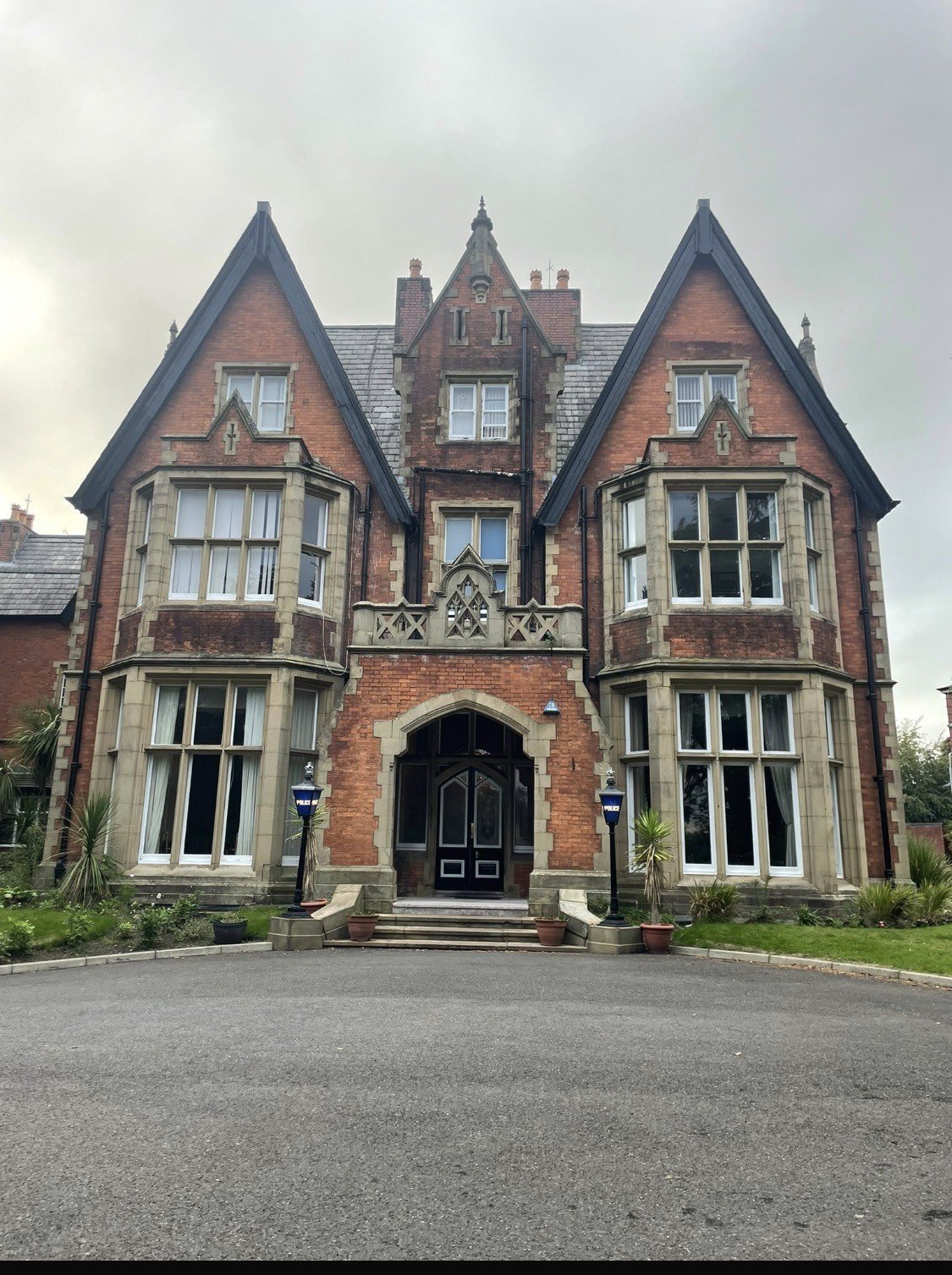
We returned to the Greater Manchester Police Training Centre for our 23rd meeting – a venue that has become something of a familiar friend to Murdered Abroad; a comfortable pair of slippers, so to speak.
Manchester holds a very special place in our history. It was here that we held our first formal peer support meeting. Since then, we have shared many memorable moments here, welcomed an extraordinary range of guest speakers, shed more than a few tears and, most importantly, witnessed the incredible strength of genuine peer support.
More than two decades later, that remains at the heart of what Murdered Abroad is about.
Welcoming a New Member
Sadly, at this meeting we welcomed a new member to the Murdered Abroad family.
Their bravery and determination shone through. No matter how many meetings we attend, listening to someone at the beginning of this journey inevitably takes many of us back to our own experiences.
We remember the shock, the questions and the frustration. We remember trying to navigate unfamiliar authorities and justice systems while grieving. Above all, we recognise the overwhelming need for answers, the need for justice, the need for accountability and the need to be heard.
That is why peer support is so important.
There is a particular understanding that exists between people who have experienced the murder of a loved one overseas. Sometimes there is no need to explain why another unanswered email matters, why another delay feels unbearable, or why the smallest piece of information can become so important.
People around the table understand because they have been there themselves.
Friday Night at Tao’s
Friday evening followed one of our longstanding Manchester traditions – dinner at the local Chinese restaurant, Tao’s, where we are always made extremely welcome.
These informal evenings are an important part of our meetings. Members can catch up with old friends, welcome new faces, share stories and make new connections. For someone attending for the first time, sitting down together over dinner can also help break down some of the understandable barriers before the more formal part of the weekend begins.
We were delighted to be joined by our super fundraiser Danny whose best friend was murdered in 2015. His extraordinary running efforts have raised thousands of pounds for Murdered Abroad.
Fundraising like Danny’s makes a very real difference.
Murdered Abroad receives no statutory funding. We rely on donations and fundraising to continue our work, including organising and supporting peer meetings such as Manchester.
Every mile run, every fundraising event and every donation helps ensure that families affected by murder overseas have somewhere to turn and a community that understands what they are going through.
Simon Hare – Families and the Media
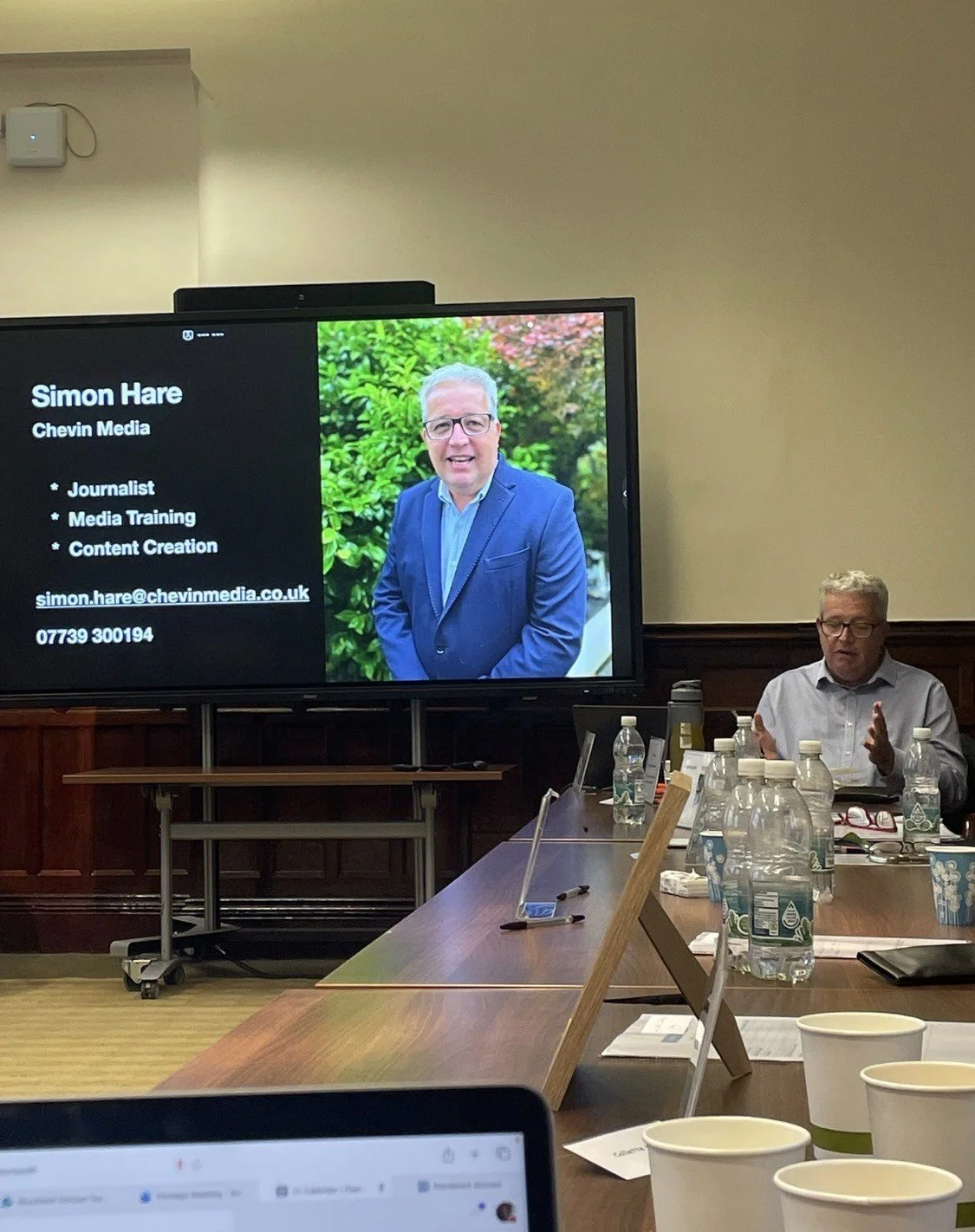
Our guest speaker for the weekend was journalist Simon Hare, who has extensive experience covering news stories, including many years reporting for the BBC in the East Midlands.
Simon is also a longstanding friend of Murdered Abroad and has previously assisted the charity and a number of our families.
His presentation explored an important and sometimes complicated relationship – that between bereaved families and the media.
Members shared very different experiences of dealing with journalists. Some spoke about reporters who had been professional, compassionate and genuinely committed to telling their stories. Others had experienced insensitive approaches or situations where a journalist or media organisation had initially shown considerable interest, only for communication to suddenly disappear.
For a journalist, circumstances may simply mean that a story no longer fits the news agenda. For a bereaved family who has placed their trust in someone and revisited deeply painful experiences, it can feel very different.
Simon gave us a fascinating insight into the realities of modern journalism, including how stories are selected, the importance of timing and newsworthiness, the pressures faced by journalists and editors, and the changes to media practices following the Leveson Inquiry.
We also discussed the positive role that responsible journalism can play.
For families seeking justice overseas, media coverage can raise awareness of a case, expose failings, generate public interest and sometimes help bring an issue to the attention of politicians and decision-makers.
But speaking publicly about the murder of someone you love comes at an emotional cost. Interviews, court hearings and other public proceedings can require families to repeatedly revisit some of the most traumatic moments of their lives.
The discussion highlighted the importance of families having good information and support when dealing with journalists so that they can make informed decisions about when, why and how they tell their story.
When Families Have to Become Their Own Advocates
Simon’s presentation led naturally into a wider discussion about the experiences of families seeking justice following murder or manslaughter overseas.
Members spoke about navigating foreign police investigations and unfamiliar legal systems, dealing with language and cultural differences, understanding the role and limitations of UK authorities, and trying to establish who is responsible for helping with what.
A familiar theme emerged.
Too often, bereaved families find themselves having to become their own advocates.
They chase information, question decisions, contact officials, find lawyers, approach politicians and journalists, research foreign legal systems and escalate concerns – all while grieving.
For many families, there is no handbook telling them how to do any of this.
Our discussion reinforced the need for clearer information from the outset. Families need to know what diplomatic, policing, legal and practical support may be available to them. Equally, they deserve transparency about the limitations of that support and clarity about where responsibility lies.
Greater information, transparency and accountability could make an enormous difference to families at one of the most difficult times imaginable.
Turning Experience into Practical Help
This is also why Murdered Abroad is developing its educational resources.
We have commissioned Simon to produce a series of educational videos for the Murdered Abroad website, forming part of our wider podcast and educational project.
These resources will draw upon the experiences of people who have actually travelled this journey and will address subjects that families repeatedly tell us they need help understanding.
Topics will include dealing with the Foreign, Commonwealth & Development Office (FCDO), working with the media, appointing lawyers, understanding coroners’ inquests and navigating some of the other practical challenges that can arise following a homicide overseas.
Our aim is simple: to turn the hard-earned experience of our members into practical knowledge that can help the families who come after us.
Nothing can prepare someone for the murder of a loved one abroad. But perhaps we can make the path that follows a little less confusing and a little less lonely.
The Power of Peer Support
As another Manchester weekend came to an end, we were reminded once again why these meetings have endured for more than two decades.
People arrive with different stories, from different parts of the country and at very different stages of their journey. Some are attending for the first time; others have been part of Murdered Abroad for many years.
But there is a common understanding between us.
Our meetings provide a safe place to talk openly, to ask questions, to share knowledge, to remember those we have lost and sometimes simply to sit alongside somebody who understands.
Twenty three meetings after we first came to Manchester, the surroundings may be familiar, but the purpose remains as important as ever.
Peer support cannot change what happened to our families. But it can ensure that no family has to face what comes afterwards alone.